
Malaysia has become one of Asia’s most compelling destinations for international business expansion. Its strategic location, multilingual workforce, and cultural diversity make it attractive to multinationals and international job agencies. Yet, succeeding in this market requires more than competitive salaries — it demands a deep understanding of Malaysian work culture, communication styles, and the values that drive employee loyalty.
For foreign employers, getting this right is the key to unlocking the full potential of talent in Malaysia. Companies that adapt their approach are better positioned to attract and retain top professionals, while those that rely on generic strategies may struggle with turnover and misalignment.
Malaysia’s Workforce in Transition

Recent studies highlight the rapid evolution of the local talent landscape. A 2025 Aon Pulse Survey revealed that Malaysian employees increasingly prioritise wellbeing, flexibility, and professional growth over pay alone. At the same time, Randstad reported that more than 35% of professionals plan to change employers this year, underscoring the volatility of the talent market.
Meanwhile, new government requirements — such as mandatory EPF contributions for non-Malaysian workers—are reshaping how compensation and benefits must be structured by foreign worker recruitment agencies and employers.
In this shifting environment, global companies often turn to experienced partners in talent management in Malaysia to navigate complexity. Solutions like those offered by INFINITY8 Talent Solutions provide insight into recruitment trends, local compliance, and cultural fit, helping foreign businesses bridge global expectations with Malaysian realities.
Workplace Culture: Respect, Hierarchy & Relationships

Respect for hierarchy and relationships lies at the heart of Malaysian work culture. While younger generations push for flatter, more flexible structures, clarity of authority remains important. Leaders who balance empowerment with respect for titles and seniority often earn stronger trust.
Equally, relationships are as influential as job descriptions. Employers who invest time in building rapport and showing cultural sensitivity are more likely to hire Malaysian talent effectively. In this context, global companies benefit from localised expertise — whether through HR teams or an international employment agency — to better align leadership approaches with employee expectations.
Communication Styles: The Indirect Approach

Communication in Malaysia is often indirect, with employees avoiding confrontation to maintain harmony. A phrase like “I’ll try” may mask uncertainty, which can be misunderstood by international managers used to direct responses.
Employers must read between the lines and create safe spaces for honest feedback. Structured check-ins, anonymous surveys, and cultural induction programs help minimise miscommunication. This skill is equally important for international job recruitment agencies and employment agencies for international jobs, which must prepare both managers and employees for cross-cultural exchanges.
Work Values: What Drives Malaysian Talent

Foreign companies seeking to recruit Malaysian talent must understand what professionals value most:
- Community and Belonging: Collectivism shapes workplace behaviour. Malaysians are often motivated by team achievements and inclusive cultures.
- Job Security: Even as younger professionals explore new opportunities, job stability remains a top priority. Employers that emphasise long-term growth retain staff more effectively.
- Development and Upskilling: With industries facing rapid digital transformation, talent management in Malaysia increasingly revolves around reskilling, mentorship, and international exposure. Employers offering structured learning pathways differentiate themselves in the job market.
This is where tailored solutions matter. INFINITY8, for example, integrates talent recruitment in Malaysia with broader growth strategies, ensuring that businesses don’t just hire — but also nurture — employees aligned with their long-term vision.
Diversity in the Malaysian Workplace

Malaysia’s multicultural workforce blends Malay, Chinese, Indian, and indigenous cultures, with practices shaped by religion, language, and tradition. To build inclusive workplaces, employers should:
- Respect prayer times and provide halal-friendly facilities.
- Recognise key festivals like Hari Raya, Chinese New Year, Deepavali, Kaamatan, and Gawai
- Encourage cross-cultural collaboration to minimise silos.
By embedding inclusion into policies, companies and international job placement agencies can strengthen employer branding and attract a wider talent pool.
Recruitment Insights: What Appeals to Malaysian Talent
Beyond compensation, Malaysian professionals respond strongly to:
- Employer Reputation: Transparent, ethical companies with strong values win trust.
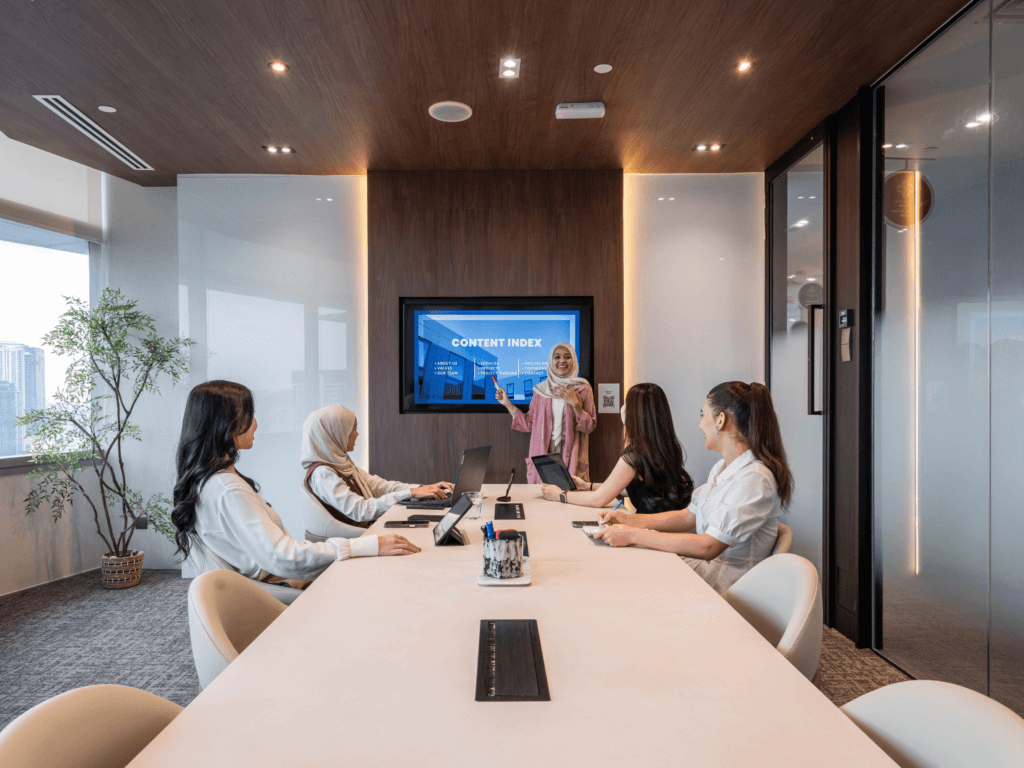
- Flexibility: Post-pandemic, hybrid work and coworking spaces in Malaysia have become critical tools for work-life balance.
- Growth Pathways: Clear opportunities for advancement are a deciding factor in job choices.
Global employers can strengthen their recruitment strategies by engaging with localised partners such as INFINITY8 Talent Solutions, which bridges global employer needs with local candidate expectations. Such approaches ensure recruitment is not just about filling roles but about building sustainable teams.
Local Challenges in the News

For business owners, cultural sensitivity and compliance directly affect talent strategies. For example, labour rights scrutiny means unethical practices can damage brand reputation and trigger penalties. Corporate restructuring has made employees more cautious, so stability and transparency are now essential for attracting and retaining top talent. Meanwhile, new EPF requirements raise compliance costs and risks — employers must adapt contracts and benefits or face legal and financial consequences.
Employers working with a reputable foreign work agency or international employment agency are better positioned to navigate these changes while reassuring employees about stability and fairness.
Best Practices for Foreign Employers

To effectively hire Malaysian talent, foreign companies should:
- Blend global best practices with respect for Malaysian work culture.
- Invest in cultural training for both managers and new hires.
- Localise benefits packages, aligning them with employee expectations.
- Establish feedback loops to minimise miscommunication.
- Demonstrate transparency and ethical labour practices.
- Partner with experienced local and international job agencies for recruitment and compliance.
INFINITY8 Talent Solutions, for example, provides recruitment support tailored to Malaysia’s unique cultural and regulatory environment, helping international employers streamline hiring while ensuring alignment with local practices.
Conclusion
Malaysia’s talent market is rich with opportunities but shaped by cultural nuance. Employers who respect Malaysian work culture, value long-term stability, and offer growth opportunities can build loyal, motivated teams.
For multinationals, this means going beyond transactional hiring and focusing on alignment, inclusivity, and development. Partnering with experienced organisations — whether an international job recruitment agency, a foreign work agency, or a local provider like INFINITY8 Talent Solutions — helps bridge global expectations with Malaysian realities.
In a competitive market where half the workforce is considering new opportunities, the companies that thrive will be those that not only recruit but also respect and empower Malaysian talent.